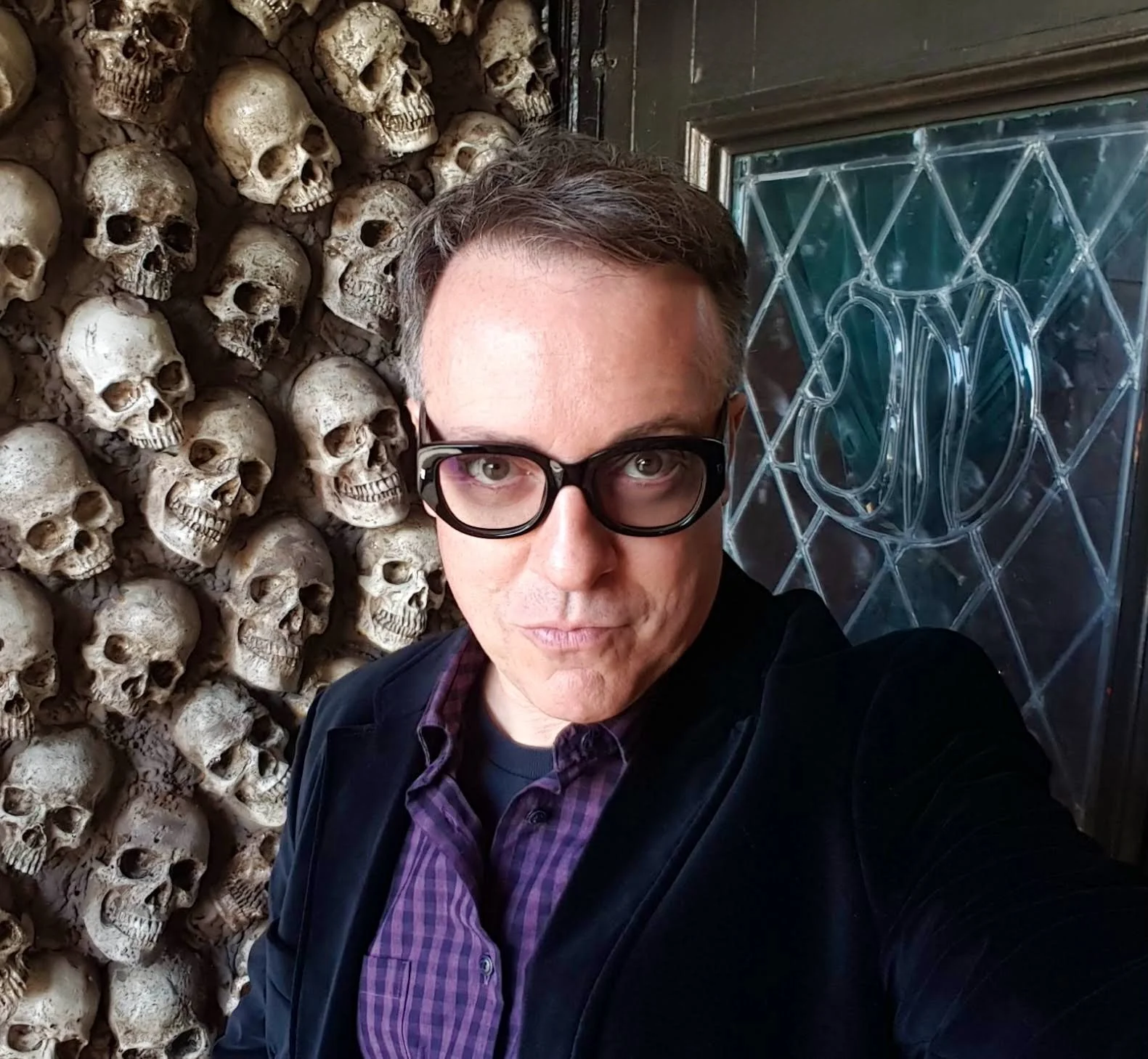
Paul Bunnell: A Visionary in Retro Cinema
Paul Bunnell is a dedicated writer, producer, and director celebrated for his distinctive cinematic vision, which lovingly resurrects the spirit of classic 1950s sci-fi and horror B-movies. With a deep respect for celluloid filmmaking, Bunnell shoots on 16mm, 35mm, and Super 16mm to achieve an authentic, "old school" look that transports audiences straight to the drive-in.
A Lifelong Love Affair with Film
Born in 1963, Bunnell's influences span the masters, from the narrative magic of Walt Disney to the psychological suspense of Alfred Hitchcock and the surrealism of David Lynch. His career is a testament to this diverse passion, having worked in nearly every facet of the industry—from a mailroom messenger at Disney Studios and a Warner Bros. VIP tour guide to a cameraman and actor.
Signature Style
Bunnell's films are characterized by a unique blend of genres, often incorporating:
1950s Aesthetic: A sincere, non-spoofing tribute to vintage sci-fi and noir.
Musical Elements: Integrating rock-and-roll, diners, and unexpected musical numbers.
Celluloid Purity: A commitment to the tactile, rich look of film.
Notable Works
That Little Monster (1994): A critically compared film to Eraserhead, shot in black-and-white 16mm, featuring the reported final film appearance of comedy legend Bob Hope.
The Ghastly Love of Johnny X (2012): A futuristic sci-fi musical shot in stark black-and-white, hailed as a genuine tribute to the '50s B&W sci-fi genre.
A Blind Bargain: A forthcoming project reimagining the lost Lon Chaney film, set in the 1970s and styled after an episode of Rod Serling's Night Gallery.
Paul Bunnell’s work is a nostalgic, yet fresh, journey into the heart of classic cinema, proving that the magic of the movies—and the drive-in—is alive and well.